If you’re reading this, you probably already have the diagnosis. You’re already on the medication. You already know the standard advice about salt and stress and losing weight. What you don’t have is a framework that accounts for being a functioning adult with a real condition that doesn’t go away, living in a climate that makes everything harder, and trying to stay ahead of a body that’s actively working against you past forty.
Managing hypertension after 40 is not the same problem as preventing it. The prevention articles are not written for you. This one is.

What Managing Hypertension After 40 Actually Looks Like
Maintenance medication does its job within a specific range. It controls your baseline blood pressure across a normal day with normal load. What it doesn’t do is insulate you from spikes caused by stress, heat, poor sleep, the wrong over-the-counter medication, or the compounding effect of all of those happening in the same week.
This is the part nobody explains when they hand you the prescription. The medication is not a ceiling. It’s a floor. Everything you do above that floor either supports it or undermines it.
After 40, the margin gets smaller. Recovery from a bad night is slower. A stressful day hits harder. Dehydration catches up faster. The variables that used to be minor inconveniences become actual cardiovascular events, and the difference between a managed condition and an emergency is often a set of daily habits that nobody made explicit.
This post covers the full protocol: what compounds, what to avoid, what to track, and how to think about all of it as a system rather than a checklist.
Stress Is Not Just a Feeling, It’s a Blood Pressure Event
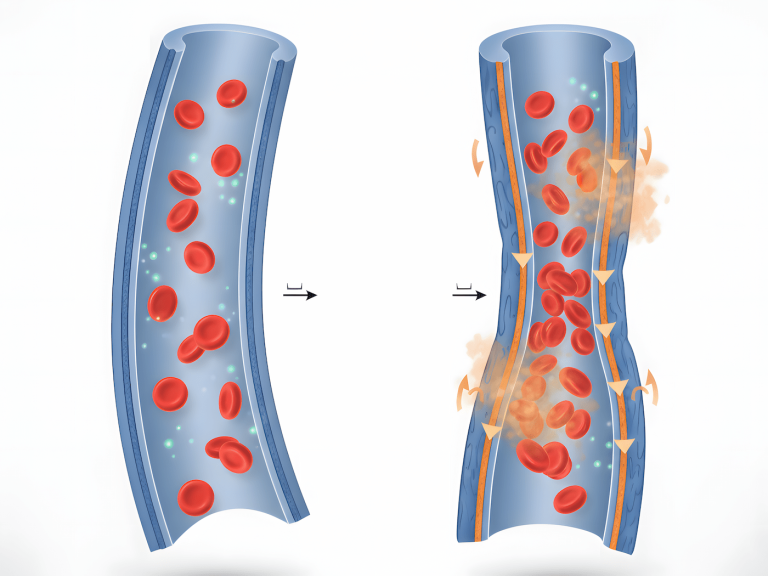
Stress elevates blood pressure through two mechanisms that work simultaneously. The first is acute: cortisol and adrenaline cause your blood vessels to constrict and your heart rate to increase, spiking your readings in real time. The second is chronic: sustained stress keeps cortisol elevated, which means sustained vascular pressure over days and weeks, not just moments.
For men over 40 on maintenance medication, the acute spikes are the immediate problem. A bad argument, a deadline that went sideways, a difficult conversation at work, and your blood pressure is already 20 to 30 points above where your medication is trying to hold it. Repeat that often enough and you’re living in a chronic elevated state that the medication cannot fully compensate for.
The practical response to this is not to eliminate stress, which is not possible, but to shorten its duration. The spike itself is unavoidable. Staying elevated for three hours afterward is not. Breathing patterns, physical movement, and deliberate decompression after high-load periods all reduce the recovery time. What you’re managing is how long your body stays in the elevated state after the trigger passes.
For a deeper look at the stress-hypertension connection and specific management techniques, the post on how stress affects hypertension and how to manage it covers the cortisol mechanism in detail.
Heat, Dehydration, and the Philippine Climate Problem
Living in the Philippines with hypertension is a specific problem that general health advice doesn’t address. Most of the content written about managing high blood pressure was produced in climates where 38 degrees Celsius is an anomaly, not a standard Tuesday.
Heat causes blood vessels to dilate as your body tries to cool itself. That dilution lowers pressure in one sense while simultaneously increasing cardiac workload, because your heart has to work harder to maintain circulation to the skin surface. Combine that with sweating, which depletes electrolytes including sodium and potassium, both of which regulate blood vessel function, and you have a system under genuine mechanical stress.
Dehydration compounds this. When blood volume decreases, the heart compensates by pumping harder. If you’re already on a medication that’s managing your baseline, dehydration shrinks the margin. Readings that are controlled in the morning can spike significantly by mid-afternoon if you haven’t replaced fluids and electrolytes properly.
The practical baseline for hot weather management is consistent fluid intake across the day, not just when you’re thirsty, and attention to electrolyte replenishment, not just water alone. Thirst is a lagging indicator. If you’re thirsty, you’re already behind.
The full breakdown of what heat specifically does to blood pressure and how to manage it in a Philippine context is in the post on high blood pressure in hot weather.
Allergy Season, Decongestants, and What Your Pharmacist Won’t Warn You About
One of the most reliable ways to spike your blood pressure as a hypertensive man is to take a common cold or allergy medication without checking the label. Decongestants, specifically pseudoephedrine and phenylephrine, work by constricting blood vessels to reduce nasal swelling. They constrict all blood vessels. That is how they work.
For men managing hypertension after 40, this is a direct conflict. Decongestants raise blood pressure in people without the condition. In people already on maintenance medication, they can push readings into ranges that require medical attention.
The problem is how decongestants are packaged. They appear in combination cold medications, sinus relief products, and allergy treatments that are sold without a prescription. The name on the box doesn’t tell you anything useful. The active ingredient list does.
Antihistamines that do not include a decongestant component are generally safe for blood pressure. Saline nasal rinses handle congestion mechanically without any vascular effect. Both are viable alternatives. The rule is simple: before taking anything for allergy symptoms or a cold, check the active ingredients and avoid any product listing pseudoephedrine or phenylephrine.
Allergy season is a particular risk period because the temptation to reach for a decongestant is highest when symptoms are worst. The post on allergy season and high blood pressure over 40 covers the specific medications to avoid and what to use instead.
Sleep Is Not a Recovery Luxury, It’s a Blood Pressure Variable
Blood pressure follows a natural daily pattern in most people. It drops during sleep, reaches its lowest point in the early morning hours, and rises as you wake. This overnight dip is not cosmetic. It’s a physiological recovery window that allows the cardiovascular system to reduce its load, repair vascular tissue, and reset for the next day.
When sleep is disrupted or insufficient, that dip either doesn’t happen or is shallower than it should be. The result is that you start the next day already elevated, without having completed the overnight recovery cycle. Poor sleep over multiple nights compounds this. By the end of a bad week, your baseline has shifted upward and your medication is working against a higher starting point.
For men over 40, sleep quality degrades on its own as part of normal aging. The deep sleep stages that drive the most recovery become shorter and more fragile. Add work stress, inconsistent sleep schedules, and environmental disruptions, and the cardiovascular cost adds up.
Managing sleep as a blood pressure variable means treating it with the same priority as medication timing. Consistent sleep and wake times, a dark and cool environment, and reducing screen exposure before bed are not wellness suggestions. They are cardiovascular interventions with measurable effects on daily readings.
The relationship between sleep quality and hypertension management is covered in detail in the post on how proper rest can help manage hypertension. If you want to understand the burden of accumulated sleep debt on overall function, the post on not being lazy but being in survival mode from the fatigue cluster covers the overlap between chronic sleep disruption and physical depletion.
Cholesterol, Atorvastatin, and the Full Cardiovascular Picture
Hypertension rarely arrives alone. For most men diagnosed with high blood pressure after 40, there is also an elevated cholesterol number in the same bloodwork, which is why atorvastatin and similar statins are so commonly prescribed alongside antihypertensives.
The reason they travel together is mechanistic. The same lifestyle factors that drive hypertension, sustained stress, poor diet, inadequate activity, accumulating body weight, also drive lipid accumulation in the arterial walls. The arterial stiffness that results from plaque buildup raises the resistance your heart has to pump against, which elevates blood pressure further. The two conditions reinforce each other.
Managing hypertension after 40 without paying attention to cholesterol is managing only half the problem. Atorvastatin handles the lipid side pharmacologically, but the same lifestyle factors that affect blood pressure also affect how well the statin performs. Diet quality, activity level, and body composition all influence the cholesterol picture alongside the medication.
The post on hypertension, cardio, atorvastatin, and managing bad cholesterol covers the specific interaction between cardiovascular recovery and cholesterol management for men on both classes of medication simultaneously.
The Dad Bod, Migraines, and the Stress Cascade
Carrying extra weight in the abdominal region is not a cosmetic problem for men with hypertension. Visceral fat, the fat stored around the organs rather than under the skin, is metabolically active in ways that subcutaneous fat is not. It produces inflammatory compounds, disrupts insulin signaling, and increases vascular resistance. For a man already managing blood pressure, it is a compounding variable that makes the medication work harder to achieve the same result.
The migraine connection is direct. Hypertension can cause headaches, particularly at the back of the head, and the vascular pressure that drives those headaches is the same pressure causing cardiovascular strain. When stress, body weight, and elevated blood pressure converge in the same person, migraines become a reliable symptom of a system under load.
The relationship between cortisol, abdominal fat storage, and blood pressure creates a feedback loop that is difficult to interrupt from any single point. Stress increases cortisol, which promotes abdominal fat storage, which increases vascular resistance, which requires higher cardiac output to maintain circulation, which raises blood pressure and triggers migraines, which increases stress.
Breaking the loop requires addressing multiple inputs simultaneously. The post on dad bod, migraines, and hypertension covers this connection in personal and practical terms.
Lifestyle Changes That Actually Work When You’re Already Medicated
The standard lifestyle advice for hypertension, eat less salt, exercise more, lose weight, was written for people who are not yet on medication. For men already on maintenance treatment, the calculus is different.
Salt reduction still matters, but the ceiling effect is real. Cutting sodium aggressively when you’re already medicated produces smaller returns than it does in a pre-diagnosis state. The more significant levers at this stage are potassium intake, which directly counteracts the vascular effects of sodium, and the elimination of specific triggers like alcohol, excessive caffeine at the wrong times, and the OTC medications mentioned above.
Physical activity that supports cardiovascular health at this stage is not about intensity. It is about consistency and type. Sustained moderate aerobic activity, walking, cycling, swimming, reduces resting blood pressure through multiple mechanisms: improved cardiac efficiency, reduced vascular resistance, and better sleep quality as a secondary effect. High-intensity exercise can transiently spike readings and requires careful monitoring for men in the hypertensive range.
Alcohol is straightforward: it raises blood pressure acutely and disrupts sleep, which compounds the cardiovascular cost. The effect is dose-dependent. Reduction produces measurable results.
For a complete breakdown of lifestyle modifications that are calibrated to men who are already on medication rather than trying to avoid it, the post on hypertension and lifestyle changes covers the full scope.
What to Track at Home and What to Ignore
Home blood pressure monitoring is useful when done correctly and actively misleading when done incorrectly.
The most common error is measuring once, seeing a high number, and treating it as definitive. Blood pressure fluctuates throughout the day based on activity, stress, hydration, caffeine, time since medication dose, and body position. A single reading in isolation tells you almost nothing. A pattern of readings taken at consistent times under consistent conditions tells you a great deal.
The protocol that produces reliable data looks like this: measure at the same time each day, typically morning before medication and evening before sleep. Sit quietly for five minutes before measuring. Take two readings separated by a few minutes and record the average. Do not measure immediately after exercise, a stressful event, or caffeine.
White coat effect, the tendency for blood pressure to read higher in clinical settings due to anticipatory stress, makes home monitoring particularly valuable for men whose clinic readings consistently run high but whose symptoms don’t match. It’s also where you catch the overnight recovery failure pattern, when morning readings are higher than expected despite medication.
Upper arm monitors are substantially more accurate than wrist monitors. Cuff size matters. A cuff that doesn’t fit the arm correctly produces false readings in both directions. The commercial companion post to this hub covers specific monitor options with honest assessments for home use.
The Full Protocol, Simplified
Managing hypertension after 40 is a systems problem, not a single-variable fix. The medication handles the baseline. Everything else either supports it or works against it.
The protocol that holds across all of the variables covered in this post comes down to six operating rules.
Stress: Eliminate what you can. Shorten recovery time from what you can’t. The spike is unavoidable. The extended elevation is not.
Heat and hydration: Fluid intake across the day, not reactive. Electrolyte replacement, not just water. Reduce exertion during peak afternoon heat in warm climates. Know that your readings in the afternoon after a hot day are not your baseline.
Medications: Check active ingredients before taking anything for allergy or cold symptoms. Pseudoephedrine and phenylephrine are incompatible with hypertension management.
Sleep: Treat it as a cardiovascular intervention, not a lifestyle preference. Consistent timing and environment quality directly affect your morning baseline.
Monitoring: Take readings at consistent times under consistent conditions. Track patterns, not individual numbers. Use an upper arm monitor with the correct cuff size.
Cholesterol and weight: Address them as part of the same cardiovascular system. The medication manages one variable. Body composition, diet quality, and lipid levels determine how much work that medication has to do.
None of this is complicated. All of it requires consistency. The men who manage this condition well are not the ones with the most willpower. They are the ones who turned these decisions into defaults and stopped treating them as daily negotiations.
If the mental load of running all of this alongside everything else a man over 40 is carrying sounds familiar, the post on how stress affects your ability to function under load on MomentumPath covers the cognitive side of operating at capacity. The physical condition and the mental operating state are not separate problems.
This post is part of the HealthyForge hypertension and cardiovascular cluster. For related reading, see the posts on hypertension and lifestyle changes, high blood pressure in hot weather, managing stress and hypertension, and allergy season and blood pressure.