Athlete’s foot is one of those infections that feels minor until it keeps coming back for the third time and you start wondering if your feet are just permanently compromised. Why does athlete’s foot keep coming back is usually the question people ask after the second relapse, because the first time most people assume they just didn’t apply enough cream. The real answer has less to do with the product and more to do with how you’re using it, where you’re reinfecting yourself from, and whether you’ve actually changed the conditions that allowed it to establish in the first place.
What Athlete’s Foot Actually Is
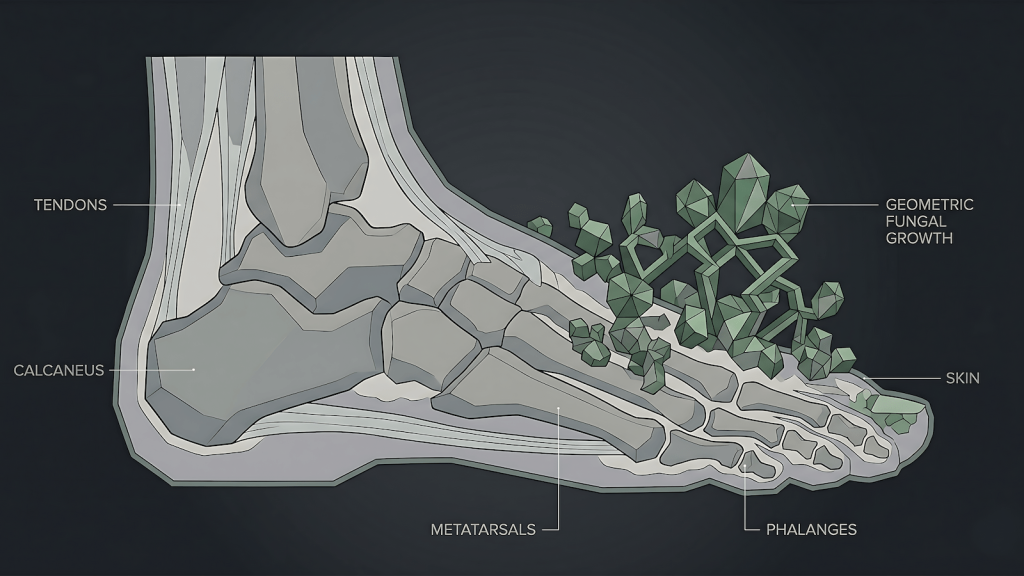
Athlete’s foot, clinically called tinea pedis, is a fungal infection caused by dermatophytes, primarily Trichophyton rubrum. It’s the same organism responsible for jock itch and ringworm, just operating in a different location on the body. Feet are a favorable environment because they spend most of the day enclosed in shoes, generating heat and moisture with almost no airflow. The infection typically starts between the toes, particularly in the fourth and fifth toe web spaces, and presents as itching, scaling, redness, and sometimes cracking or blistering skin. Left untreated it can spread across the sole and heel, and the cracking skin stage goes from uncomfortable to genuinely painful quickly.
The fungus spreads through direct contact with contaminated surfaces. Public shower floors, locker room tiles, shared bath mats, and your own bathroom floor if you’ve been walking on it with an active infection are all live transmission surfaces. Dermatophytes can survive long enough on surfaces to be picked up hours after an infected person walked through. In a shared household bathroom, athlete’s foot moves between people silently, which is why clearing your own infection without addressing the environment frequently ends in reinfection within weeks of finishing treatment.
The Folk Remedies That Actually Have Logic Behind Them
Before getting into the clinical protocol, it’s worth acknowledging that some of the remedies people have used long before antifungal creams existed have real mechanisms behind them. Fresh urine contains urea and has a pH that creates an inhospitable environment for dermatophytes. Soaking feet in diluted urine has been documented as a folk remedy across multiple cultures, and while it’s not the first thing a dermatologist will recommend, the underlying chemistry isn’t nonsense. It’s one of those interventions that embarrasses people into dismissing it before they examine whether it actually works.
A vinegar, garlic, and salt foot soak operates on similar principles and is easier to defend in polite conversation. Acetic acid from the vinegar creates an acidic environment that inhibits fungal growth. Garlic contains allicin, which has documented antifungal properties in research settings. Salt draws moisture from the tissue and acts as a mild antimicrobial. Soaking feet in this combination for fifteen to twenty minutes addresses surface-level fungal load, reduces odor, and the acidic environment does useful work on the nail discoloration that often accompanies fungal foot infections. It’s not a substitute for antifungal treatment in a persistent or severe case, but as a complementary soak or early-stage intervention it holds up better than most folk remedies. This kind of nutrient and substance interaction with the body is something worth understanding more broadly, and the electrolyte and hydration post on HealthyForge covers how your body’s chemical environment affects recovery in ways most people underestimate.
Where You’re Reinfecting Yourself
The most overlooked reinfection source is your own footwear. Shoes worn during an active infection carry viable fungal material in the lining and fabric. Treat your feet and then put on the same shoes you’ve been wearing for months and you’re reintroducing the organism immediately. The inside of a shoe is warm, dark, and often slightly damp between wears, which is exactly where dermatophytes persist and wait.
Socks are the other variable most people don’t manage aggressively enough during an active infection. Rotating between two to three pairs and changing immediately when feet feel wet or the itch starts building, rather than waiting until the end of the day, keeps the fungal load from accumulating. Moisture is what the fungus depends on, and removing it consistently, even mid-day, disrupts its ability to establish and spread. It feels like an overcorrection until you realize how much of a difference dry feet make compared to feet that stayed damp for six hours in the same socks.
What Actual Treatment Looks Like
Over-the-counter antifungal creams containing terbinafine, clotrimazole, or miconazole are effective for most cases when used correctly. Apply to the affected area and extend coverage to surrounding skin including areas that look normal, because the infection is always slightly larger than its visible boundary. Continue for a minimum of one to two weeks past visible resolution, not from day one of application. Most failures happen because people stop when the itch goes away rather than when the infection is actually cleared.
Shoe hygiene runs parallel to the topical treatment and gets skipped constantly. Antifungal spray or powder inside the shoe between wears reduces the fungal load in footwear while treatment is running. If you have a pair of shoes that never fully dries between uses, set them aside during the treatment period. A constantly damp shoe reinfects your feet regardless of what the cream is doing. Socks go into hot water washing throughout treatment, not a warm quick cycle.
The Jock Itch Connection
If you have both athlete’s foot and jock itch at the same time, they are almost certainly the same infection operating in two locations. When you dress in the morning, your feet pass through your underwear before they reach the waistband. Fungal material on your feet transfers to the fabric and from there to the groin. Treating one without the other is a loop with no exit. You can clear the jock itch completely and reinfect it within a week through the same daily routine. Treat both simultaneously with the same antifungal class, run both treatments past visible resolution, and hot-wash the socks and underwear worn during the infection period.
The Short Version
Athlete’s foot keeps coming back because treatment was stopped before the infection was fully cleared, because footwear is reintroducing the fungus, or because moisture conditions haven’t changed. Run the antifungal past visible resolution. Rotate socks and change them when wet. Address footwear hygiene during treatment. If you want to use a vinegar-garlic-salt soak as a complementary measure, the science behind it is sound. If you have concurrent jock itch, treat both at the same time or you’re just trading the infection back and forth between locations.