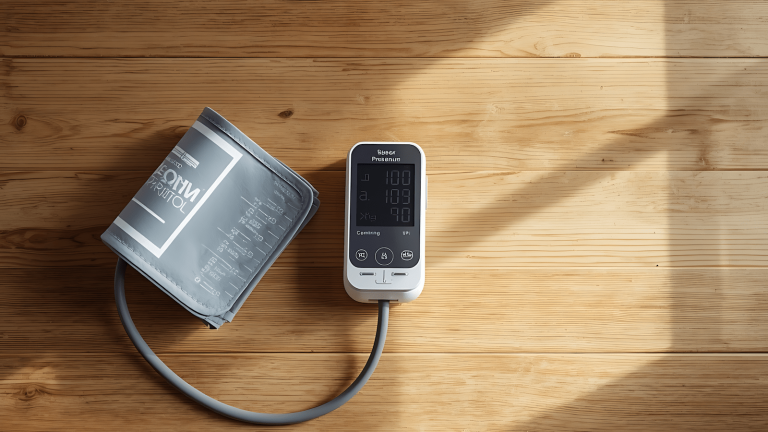
Consistency doesn’t fix fatigue. That sentence will bother a lot of people who’ve spent months building the “right” habits, because the promise was always that discipline leads to results. Show up. Stay consistent. Trust the process. So when you’ve been consistent with sleep, workouts, diet, and screen time for two or three months and you’re still running on fumes every day, the natural conclusion is that something is wrong with you. That’s the wrong conclusion.
The problem isn’t your follow-through. The problem is that consistency is a tool for reinforcing a system, and if the system itself isn’t producing recovery, then all consistency does is lock in the pattern that’s keeping you depleted. You can be extraordinarily disciplined about the wrong things. And the longer you stay consistent without questioning what you’re repeating, the harder it becomes to see that the process itself is broken.
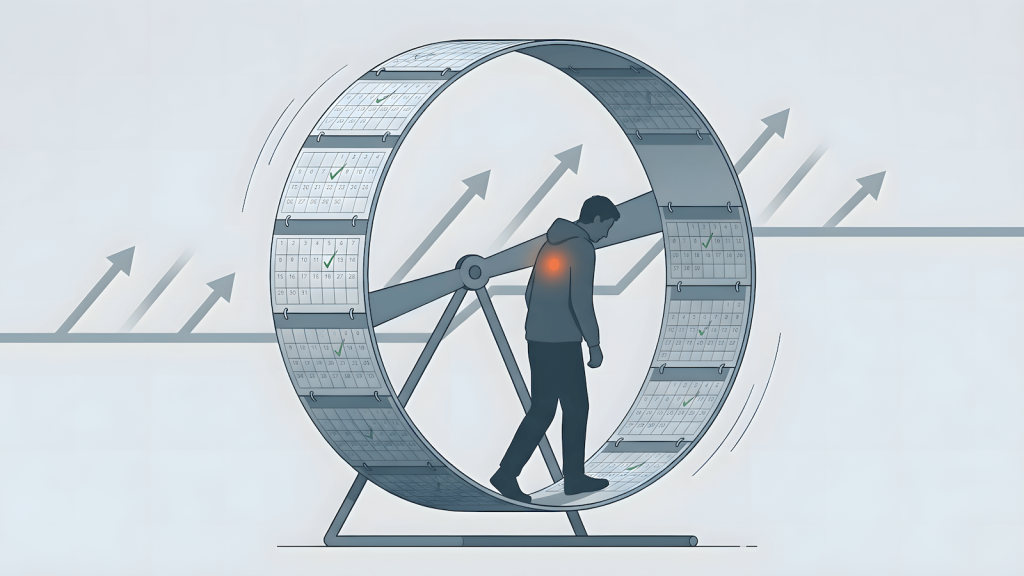
This is especially common in men over 40, where the body’s recovery bandwidth narrows while the demands on it don’t. What worked at 32 doesn’t automatically work at 44. The tolerance for accumulated load drops. The margin for error on sleep quality shrinks. The cost of doing “everything right but one thing wrong” is now a week of foggy mornings instead of a single bad day. Consistency with an unchanged system is how you end up feeling perpetually behind despite putting in all the effort.
What Consistency Actually Does
Consistency creates predictability. That’s its real function. It removes variability from a system so you can see what the system actually produces. When you’re consistent with poor sleep quality, you consistently feel tired. When you’re consistent with a workout program that accumulates load faster than your body can clear it, you consistently feel heavier and slower over time. When you’re consistent with caffeine timing that masks energy debt instead of building it, you consistently feel functional in the morning and wrecked by mid-afternoon.
Consistency doesn’t create recovery. Recovery is created by the specific inputs that allow your nervous system to reset, your muscle tissue to repair, and your energy stores to refill. Those inputs are specific. Consistency just determines how reliably you receive them or fail to.
This distinction matters because most people who are “consistent but exhausted” aren’t failing at discipline. They’re succeeding at reinforcing a system that has one or more broken inputs. Finding the broken input is the work. Adding more consistency to a broken system is not.
The Five Recovery Blockers Consistency Can’t Override
Sleep duration versus sleep quality.
Eight hours on paper and eight hours of actual restorative sleep are not the same thing. If your sleep is fragmented, if you’re waking between 2 and 4am and drifting back off, if you never feel rested when you wake up despite hitting the target hours, your nervous system is not resetting overnight. The quantity is there. The depth isn’t. You can be perfectly consistent with an eight-hour schedule and still accumulate sleep debt because the sleep itself isn’t doing the repair work.
The common culprits for men in their 40s are late-night screen exposure that suppresses melatonin longer than expected, alcohol that fragments deep sleep even in small amounts, and room temperature that sits slightly too warm to allow the core temperature drop that enables deep sleep stages. None of these show up in a sleep tracker’s duration number. All of them show up in how you feel at 6am. If you want a full breakdown of what’s actually disrupting overnight recovery, these sleep protocols for night-damaged tech workers cover the specifics without the usual generic advice.
Caffeine masking versus actual energy.
Caffeine doesn’t create energy. It blocks the adenosine receptors that signal fatigue, which means it makes you feel less tired without actually restoring the underlying energy systems. When you’re running on caffeine timing as your energy strategy, your actual energy debt keeps accumulating below the surface. The crashes get worse. The window where caffeine works narrows. And being consistent with caffeine just means you’re consistently running on borrowed time.
The signal that this is your problem: you feel functional only during your caffeine window, you get headaches or feel genuinely foggy when you skip it, and your “energy” depends entirely on dosage and timing rather than how rested you actually are. A caffeine strategy that works is one where it amplifies existing energy rather than substitutes for it. If you can’t function without it, you’re masking a deficit, not managing energy. This breakdown on caffeine strategy without the crash is worth reading if any of that sounds familiar.
Electrolyte and micronutrient debt.
Fatigue that doesn’t respond to sleep improvement is frequently a hydration problem that isn’t actually a water problem. Chronic electrolyte depletion, specifically sodium, potassium, and magnesium, produces a specific fatigue signature: persistent low-grade headache, muscle heaviness, mental fog that isn’t fully explained by tiredness, and cramping or twitching in the evenings. In the Philippines’ heat, where you lose electrolytes through sweat just sitting at a desk, this is more common than people realize.
Magnesium depletion is particularly relevant for men over 40 who exercise regularly and are under chronic stress. It’s involved in over three hundred enzymatic processes, including the ones that regulate sleep quality and muscle recovery. You can drink enough water and still be running low on the minerals that allow your cells to actually use that hydration. Water alone won’t fix electrolyte depletion, and the fix is more specific than just drinking more.
Nervous system overload.
Physical exercise is one form of load on your nervous system. It’s not the only one. Deadline pressure, financial stress, family demands, and decision fatigue all draw from the same recovery budget. Your nervous system doesn’t distinguish between the stress of a hard workout and the stress of a difficult conversation with your employer. Both cost recovery resources. Both require the same repair inputs to clear.
This is why people who are physically healthy by every metric can still be chronically fatigued when their life situation is high-pressure. The exercise is fine. The sleep duration is fine. But the total load exceeds the recovery capacity because psychological stress is drawing from the same pool. If remote work is part of your daily environment, remote work system failure has a direct connection to this kind of accumulated nervous system load that most people don’t account for. Consistency with workouts and sleep doesn’t help if the nervous system never gets to actually downregulate.
Cumulative training load without deload.
If you’ve been consistent with a workout program for several months without a structured deload week, you may be carrying a training debt that’s presenting as fatigue, low motivation, and heavier-than-normal perceived effort during sessions that used to feel manageable. Progressive overload without recovery phases doesn’t produce adaptation. It produces accumulated damage that never fully clears between sessions.
The signal here is specific: workouts feel harder than they should relative to your fitness level, your resting heart rate has crept up, you feel worse after training rather than tired-but-good, and you’ve stopped making progress despite consistent effort. This isn’t a motivation problem or a nutrition problem. It’s a programming problem. The fix is a week or two of deliberate reduction in volume and intensity so the body can catch up on the repair work it’s been deferring.
How to Diagnose Your Actual Bottleneck
The most useful diagnostic is a two-week elimination approach rather than trying to fix everything simultaneously. Pick the most likely culprit based on the symptoms and address only that variable while keeping everything else constant. If sleep quality is suspect, prioritize the room temperature and screen exposure issues for two weeks before adding anything else. If the symptoms match electrolyte depletion, add a proper electrolyte protocol for two weeks before assuming the problem is something more complex.
Stacking interventions makes it impossible to know what’s actually working. Most people who are consistent but exhausted have one primary bottleneck and one or two contributing factors. Finding the primary bottleneck and fixing it first usually produces a noticeable shift within two weeks. If nothing shifts in two weeks with a genuine intervention, that particular variable isn’t the primary driver and you move to the next suspect. If the fatigue pattern extends into your sleep schedule specifically, sleep debt recovery covers the compounding side of what happens when it goes unaddressed.
Keep it mechanical. The goal is to identify the specific broken input, not to redesign your entire lifestyle at once. One variable at a time, two weeks per test, track how you feel in the mornings specifically because that’s when the overnight recovery quality is most visible. If you’ve been doing everything right and still can’t shake the exhaustion, this post on doing everything right but still tired is the natural next read.
Fix the System, Not the Schedule
The frustrating thing about chronic fatigue when you’re already doing the “right” things is that the solution doesn’t feel like progress. It feels like subtraction. Less caffeine. Less training volume for a few weeks. Fixing your sleep environment. Adding a mineral you weren’t tracking. None of it looks like achievement. None of it has the satisfaction of adding another good habit to your list.
But the goal isn’t a longer list of consistent behaviors. The goal is a system that actually produces recovery. Once the recovery system is working, consistency becomes the amplifier it was always supposed to be. You compound improvements instead of compounding exhaustion. The effort you’re already putting in starts returning results instead of just maintaining the current depleted baseline.
Consistency doesn’t fix fatigue. Recovery does. Consistency just determines how reliably you receive the inputs that create recovery. If those inputs are broken or missing, no amount of discipline will substitute for them. Find what’s broken. Fix that first. Then stay consistent with a system that actually works.