Hemorrhoids, commonly called almoranas, are among the most universal conditions adults deal with and among the least discussed, because they happen in a location that makes people reluctant to bring it up with anyone, including a doctor. If you’re looking for almoranas treatment at home, you’re in good company and the condition is more manageable than most people realize once you understand what’s actually happening and why the standard advice often doesn’t move the needle.
What Hemorrhoids Actually Are
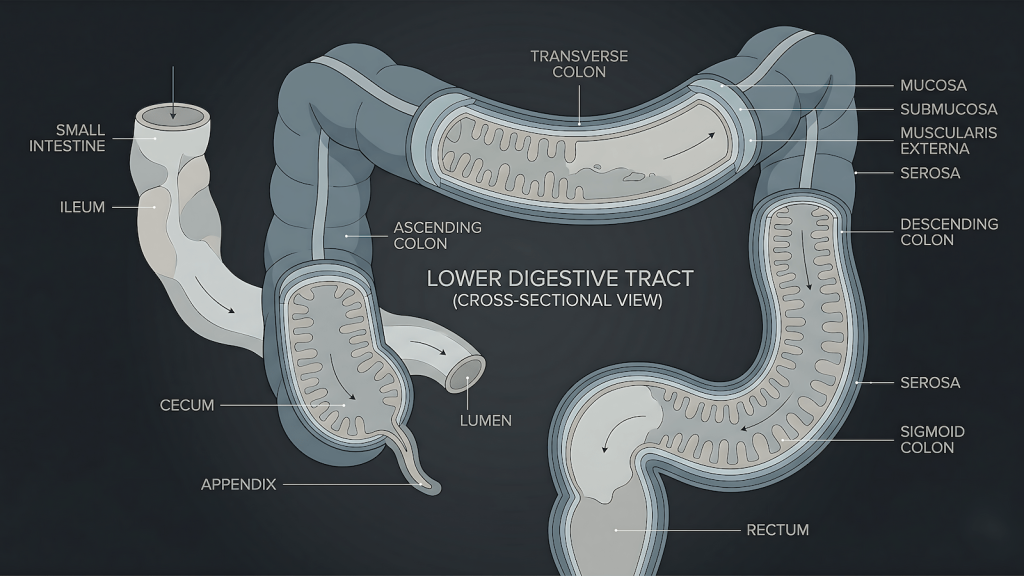
Hemorrhoids are swollen veins in the lower rectum and around the anus. Everyone has hemorrhoidal tissue, which is part of the normal cushioning system in the anal canal. The problem happens when that tissue becomes engorged, inflamed, or prolapsed due to increased pressure in the surrounding veins. The result is swelling, irritation, discomfort during bowel movements, and sometimes bleeding that shows up as bright red blood on toilet paper or in the bowl.
The condition is far more common than the silence around it suggests. Most adults will experience symptomatic hemorrhoids at some point in their lives. The stigma is inversely proportional to the prevalence, which is why people spend weeks trying various remedies quietly before telling anyone. That delay usually doesn’t make things dramatically worse, but it does mean unnecessary suffering when effective home management is straightforward for most mild to moderate cases.
Internal vs External: The Distinction That Changes Your Approach
Internal hemorrhoids develop inside the rectum and are usually painless but bleed, because the interior of the rectum has fewer pain-sensitive nerve endings. You might notice bright red blood during or after a bowel movement with no significant discomfort. Internal hemorrhoids can prolapse, meaning they push through the anal opening, at which point they cause a sensation of fullness and a feeling that the bowel movement wasn’t complete. External hemorrhoids develop under the skin around the anus and are typically painful, especially when sitting or during bowel movements.
When a blood clot forms inside an external hemorrhoid it becomes a thrombosed hemorrhoid, which presents as a hard, intensely tender lump and produces pain that makes sitting genuinely difficult for several days. Both types can occur simultaneously, which is why the symptom picture is sometimes confusing and why people try multiple remedies without understanding which type they’re actually dealing with. Matching the home treatment approach to what’s actually going on makes the management significantly more effective.
What’s Causing Them: The Sitting Problem
The primary mechanical driver is sustained pressure on the rectal veins, and anything that creates that pressure consistently is a risk factor. Straining during bowel movements is the most direct cause, usually driven by insufficient dietary fiber and the constipation that follows. Chronic diarrhea creates the same straining pattern from the opposite direction. Pregnancy increases pressure through direct compression and hormonal changes that affect vascular tone throughout the body.
The sitting factor is significant and consistently underappreciated. Prolonged sitting, particularly on a toilet but also in a standard chair for extended periods daily, creates sustained pressure on the perineal and rectal vascular system. For anyone spending eight to twelve hours seated at a desk, this is a consistent low-level stressor that compounds over time. This is part of a broader picture of what sustained sedentary work does to the body, and the burnout and physical recovery patterns covered in the consistency post show how the same principle of cumulative system stress applies across multiple body systems. The toilet sitting component deserves specific attention: extended time on the toilet, whether from chronic constipation or from using the bathroom as a private space to scroll through a phone, creates exactly the kind of downward pressure that engorges hemorrhoidal tissue. The squatting position naturally reduces straining by changing the anorectal angle, which is why squat-assist toilet stools have genuine physiological support behind them.
What Actually Works at Home
Dietary fiber is the most important intervention and the most consistently skipped because it’s unglamorous. Fiber softens stool and reduces straining, which addresses the mechanical cause directly rather than just managing symptoms. Aim for 25 to 35 grams of fiber daily from food sources, psyllium husk supplement, or a combination. Increase intake gradually to avoid the gas and bloating that comes from a sudden shift. This is a structural fix, not a one-week remedy, and it’s the change that prevents recurrence rather than just resolving the current flare.
Hydration works in direct combination with fiber. Fiber without adequate water can worsen constipation rather than help it because the bulk it creates needs fluid to move through the digestive system without compacting. Getting your daily water intake calibrated correctly is not separate from hemorrhoid management; it’s part of the same intervention. Sitz baths are among the most consistently effective relief measures for external hemorrhoids and prolapsed internal ones. Sit in a few inches of warm water for fifteen to twenty minutes, two to three times daily and after bowel movements. It reduces inflammation, relieves pain, and promotes circulation to the affected tissue. A clean bathtub works fine. No special equipment required.
Witch hazel applied with a clean pad is a well-supported topical option for reducing inflammation and itching without the risks that come with prolonged steroid use. Over-the-counter hemorrhoid creams containing hydrocortisone address itching and inflammation effectively in the short term, but should not be used continuously for more than a week. Prolonged topical steroid application to perianal skin causes thinning that worsens the underlying condition over time, not better.
What Doesn’t Help Despite Being Commonly Recommended
Avoiding spicy food is frequently cited as essential for managing hemorrhoids and has almost no clinical evidence behind it. Spicy food can irritate an already inflamed anal canal during a flare and may worsen acute symptoms, but it doesn’t cause hemorrhoids and eliminating it won’t resolve them. The dietary change that actually has evidence behind it is fiber intake. Spend your energy there.
Extended toilet time is one of the more damaging habits during an active flare and most people continue it out of routine. Get in, complete the bowel movement, get out. If constipation is making that difficult, that’s a fiber and hydration problem to fix upstream, not a reason to sit longer. Straining harder to finish faster is also counterproductive throughout. The entire goal is reducing downward pressure on those veins, not adding to it.
When Home Treatment Isn’t Enough
Most hemorrhoids respond to the measures above within one to two weeks. The cases that don’t warrant medical attention. See a doctor if bleeding is heavy or persistent beyond a few days, if you have a thrombosed external hemorrhoid with severe pain, if symptoms persist beyond two weeks of correct home treatment, or if you’re not certain the bleeding is hemorrhoidal in origin. Rectal bleeding always warrants ruling out other causes, particularly if you’re over 40 or have any family history of colorectal conditions. Hemorrhoids are the most likely explanation, but bleeding that doesn’t fit the expected pattern deserves proper evaluation rather than continued self-treatment.
Procedures for persistent cases range from rubber band ligation, which cuts off blood supply to the hemorrhoid and is performed in a clinic setting without general anesthesia, to surgical hemorrhoidectomy for severe cases. Most people never reach the surgery stage. Rubber band ligation is effective for internal hemorrhoids that don’t respond to home management and carries minimal downtime. If home treatment has been done correctly for two weeks and the situation hasn’t improved, that’s the next step rather than cycling through more products.
The Short Version
Almoranas treatment at home works when it’s done correctly: adequate fiber, adequate water intake, sitz baths, witch hazel, and not spending extended time sitting on the toilet. The condition is caused by sustained pressure on the rectal veins and managed by reducing that pressure consistently over time. Two weeks of correct home treatment resolves most cases. If it hasn’t moved after that, see a doctor rather than guessing at the next product to try.