Rest days used to actually help. You’d take a day off, sleep in a bit, take it easy, and you’d feel noticeably better. Reset. Ready to go again.
Now they barely make a dent. You rest, you slow down, you give yourself permission to do nothing, and by the next morning you’re still tired. Sometimes just as tired as before.
This isn’t because rest “stopped working” or because you’ve somehow broken your ability to recover. Rest days only work when your body can actually use them to recover. And for most people, that’s not happening.
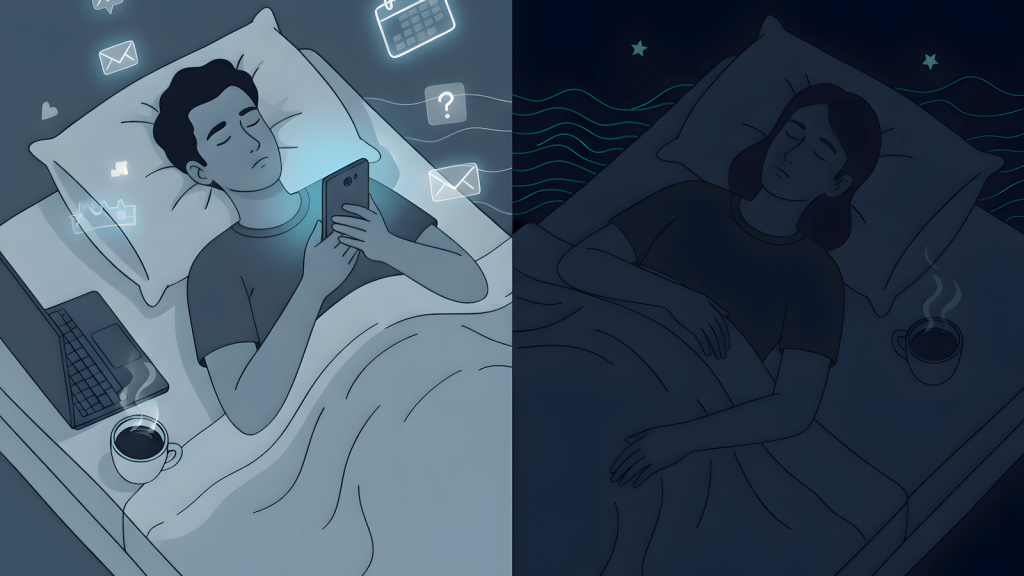
Even on rest days, you’re still scrolling, still stressed, still caffeinated, still sleeping irregularly. Your body never actually drops into a recovery state. It’s just paused, not reset. There’s a massive difference.
Think about what most rest days actually look like. You sleep in, sure. But then you’re on your phone for an hour before getting out of bed. You skip the workout but you’re still drinking coffee all day. You’re not working but you’re still thinking about work, still responding to messages, still keeping your nervous system primed and alert.
That’s not rest. That’s just doing less while staying stimulated.
Real recovery requires your body to shift gears completely. Your nervous system needs to downshift into parasympathetic mode where repair actually happens. Your stress hormones need to come down. Your sleep needs to be deep and restorative, not just long.
Most rest days never create those conditions. So they end up being a break from activity without being an opportunity for actual restoration.
If your sleep quality is fragmented or consistently shallow, rest days don’t rebuild anything. They just stop the active damage for twenty four hours. You’re not going backwards, but you’re not going forwards either. Sleep architecture matters more than sleep duration, and if yours is broken, resting more doesn’t fix it. You need to actually address why your sleep isn’t restorative.
If you’re still running on caffeine during your rest days, the recovery never reaches your nervous system. Your body stays alert, primed, ready to respond. That’s the opposite of the deep parasympathetic state where actual repair happens. You can’t caffeinate your way through a rest day and expect it to work. At some point you need a strategy that lets you rebuild energy instead of constantly stimulating it.
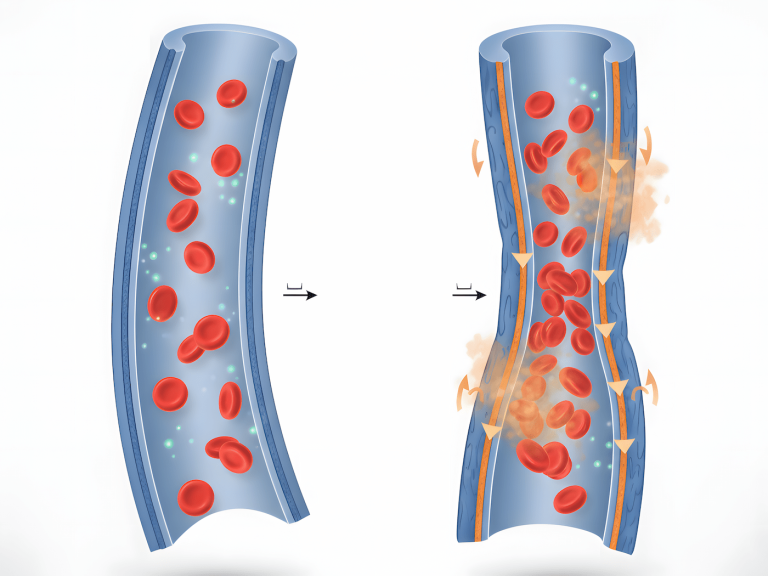
And if you’ve been depleting electrolytes over weeks or months, rest days won’t touch the underlying fatigue or the headaches that keep coming back. This is one of those things that seems too simple to be the answer, but chronic electrolyte depletion quietly wrecks everything. It makes fatigue worse, makes recovery slower, makes your brain feel like it’s wrapped in cotton. And rest alone can’t fix what’s missing at a cellular level.
This is why people talk about weekends that don’t recharge them anymore. Vacations where it takes half the trip just to feel remotely normal. Rest days that make the soreness go away but leave the exhaustion completely untouched.
The answer isn’t more rest. It’s not longer breaks or stricter boundaries, though those might help around the edges. The real answer is better recovery inputs. The conditions your body actually needs to rebuild instead of just pause.
Once those are in place, rest days start working again. Sometimes the difference is dramatic. You wake up from a day off actually feeling different instead of just slightly less destroyed.
The weird part is how fast this can shift once you fix the right thing. People who haven’t felt restored by rest in months or years suddenly get that feeling back after addressing the one system that was blocking recovery.
If rest hasn’t helped you in a long time, you’re not lazy. You’re not overworked beyond repair. Your body almost certainly still knows how to recover. It’s just not getting what it needs to actually do it.
Fix that, and rest becomes functional again. Not as a luxury or a reward, but as a tool that actually works.

Coffee drinker, bacon enthusiast, occasionally writes about not dying tired.
Rest without recovery inputs is just a pause button. Founded HealthyForge.com for people whose weekends don’t recharge them anymore. Writes like your medic uncle who knows rest days need more than good intentions.
📱 Medium • Facebook • YouTube
Written for the resilient not the aesthetic.