
Hands Shaking After Exercise: What It Felt Like
An hour after my usual morning workout, I was still aware of my heartbeat. It wasn’t racing or irregular. It just hadn’t faded fully into the background yet, which didn’t alarm me because that can be normal after a session.
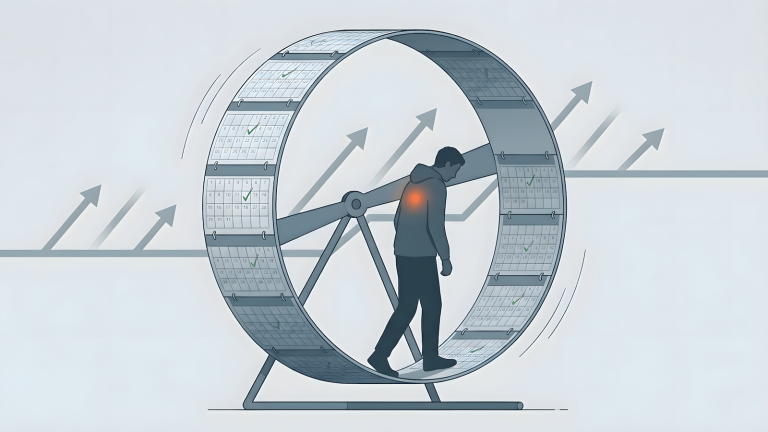
What got my attention came later. After I cooled down, drank water, and started working, my hands were shaking slightly over the keyboard. That was the moment something felt wrong. The tremor didn’t stay in my hands either, it felt systemic, like a low-grade internal vibration running through my body.
At the time, I labeled it palpitations. The next day, with a clearer head, I realized it probably wasn’t. It felt more like shaking from stress physiology, not an irregular rhythm.
I’m 46. I’m managing hypertension. I’m not obese, and I’ve been running the same workout routine since January without issues. The training load wasn’t new. The only variable I changed was breakfast.
Workout on Coffee Only: The One Change That Triggered It
Normally my sequence is coffee, breakfast, then exercise. That morning it was coffee straight into the workout. No fuel buffer, no pre-workout carbs, just caffeine and effort.
That single shortcut changed how recovery felt.
Why You Can Feel Fine After a Workout, Then Start Shaking Later
Right after exercise, I felt normal. My heart was still pumping hard, but that didn’t bother me because it made sense in context. The shift happened only after I was resting and trying to focus.
That delay matters. If something goes wrong during exertion, you usually notice it during exertion. This showed up during recovery, when the body should be trending back toward baseline. Instead, the “hands shaking” signal appeared once I was sitting still and working.
That’s why it felt confusing. The workout was over. I had already rested. I had already drank water. And that’s when my body started acting like it was still under stress.
Low Blood Sugar After Exercise: The Hidden Trigger
Fasted training means you’re running on stored glycogen. Add caffeine and you amplify adrenaline. After a workout, insulin sensitivity increases, and if you don’t refuel, blood glucose can dip later rather than immediately. Caffeine can blunt hunger cues too, which is why the brain doesn’t always produce a clean “I’m hungry” signal.
When blood glucose drops, the body compensates by releasing more adrenaline. Adrenaline causes hand tremors, internal shaking, muscle tension, and heightened awareness of your heartbeat. Sitting still makes those sensations more obvious because there’s no motion noise to mask them.
In the moment, it can feel cardiac. But the mechanism is often metabolic stress layered on caffeine and exertion.
Caffeine After Exercise: Why It Keeps Your System Spiked
Caffeine remains active well after the workout ends. As I’ve written in my caffeine strategy without the crash, caffeine increases sympathetic tone and can delay the body’s transition into recovery mode. If you stack that on top of fasted training, you can end up with a nervous system that stays “on” longer than it should.
Water helps, but water doesn’t restore glycogen. Water doesn’t switch off adrenaline. If the body doesn’t have fuel, it can’t complete the recovery transition cleanly.
What to Do When You Feel Shaky After a Workout
Breathing exercises helped reduce the intensity. They didn’t erase it, but they took the edge off by pulling me out of sustained sympathetic activation.
The real shift happened after I ate bacon and garlic fried rice. Within minutes, the shaking eased noticeably. That speed matters because rhythm issues don’t typically settle within minutes of carbohydrate intake. Metabolic stress responses often do.
Later, I had honey with a small pinch of salt to reinforce quick glucose and replace some sweat losses. Managing hypertension, I kept the salt minimal and intentional. By 6 PM, I crashed and slept until 6 AM, which felt like accumulated recovery debt finally getting paid.
Post-Workout Shakiness After 40: Why Your Buffer Is Smaller
At 46, the buffer is smaller. Metabolic flexibility isn’t what it was at 25, and stacking stressors costs more. Caffeine, fasted training, and a workday that demands focus can be enough to push the system into a prolonged stress response.
The routine I’ve followed since January, outlined in how I stay consistent past January without burning out, works because it respects the basics. Coffee, breakfast, then exercise. Removing breakfast wasn’t an optimization, it removed a stabilizing step.
This isn’t decline. It’s reduced margin, and the body enforces that margin whether you like it or not.
When Shaking After Exercise Is a Red Flag
If shaking after exercise persists for hours, recurs frequently, feels irregular rather than just forceful, or is accompanied by chest pain, dizziness, faintness, or shortness of breath, get evaluated. Managing hypertension means you don’t gamble with symptoms that could point to something more serious.
Even if an episode resolves, it’s still worth mentioning to your doctor. One clean resolution doesn’t automatically mean “nothing happened.”
The Pattern: Why This Shows Up With Fatigue and Migraines Too
This wasn’t random. I’ve written about how fatigue can mimic stroke-like symptoms when dehydration is ignored. The migraines I manage follow a similar systemic pattern in my piece on hypertension, migraines, and the dad bod spiral.
When fundamentals get skipped, the system starts throwing warning signals. Sometimes it’s a migraine. Sometimes it’s shakiness. Sometimes it’s that “something is off” feeling that shows up when you’re trying to work and your hands won’t hold steady.
Exercise wasn’t the problem. Coffee without fuel was.
The Lesson
Coffee isn’t breakfast. Caffeine isn’t fuel. A routine that works shouldn’t be “optimized” by removing fundamentals.
For me, at 46 with managed hypertension, the order matters. When I ignore it, my body doesn’t whisper. It corrects.

Manages hypertension. Lifts anyway. Drinks coffee. Learns the hard way when he skips breakfast.
Writes about systemic load, recovery discipline, and why most “heart scares” are often fuel or stress mistakes first. Founded HealthyForge.com for people who don’t panic at symptoms, they analyze them. Expect physiology, not vibes.
📱 Medium • Facebook • YouTube
Recovery is maintenance, not motivation.