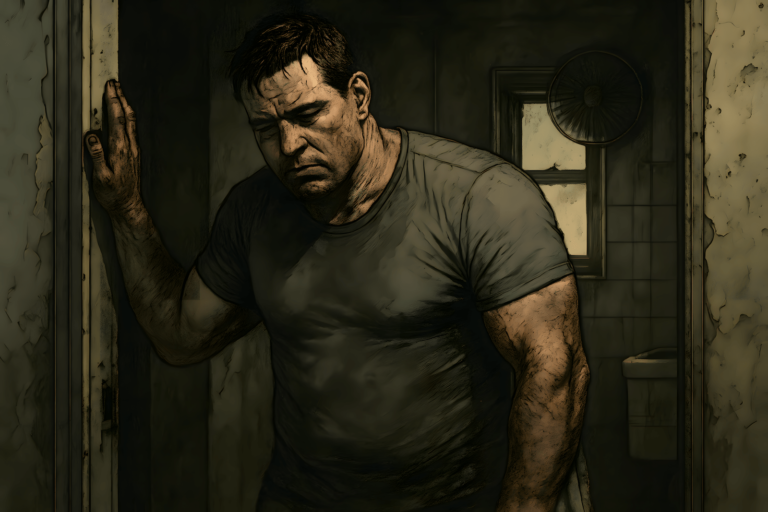
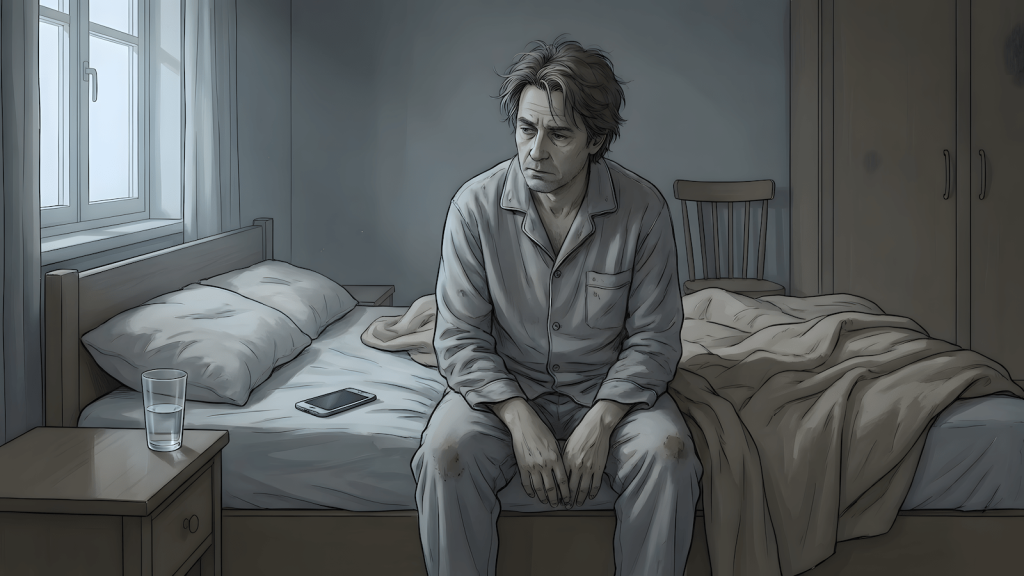
There’s a point where effort stops producing visible results.
You sleep a little earlier.
You drink more water.
You cut back on caffeine.
You try to eat better.
You move more than before.
And nothing changes.
The fatigue stays. The heaviness stays. The sense that your body isn’t responding stays. That’s usually when people start wondering why small health changes don’t work anymore, or whether something more serious is happening.
Most of the time, neither is true.
Why small health changes stop working
Early health improvements tend to be responsive. When the system is only mildly stressed, small inputs are enough to correct it. Sleep improves energy. Hydration reduces headaches. A few rest days reset things.
But when stress, fatigue, or physical strain has been accumulating for a long time, the body stops reacting proportionally. This is often when people notice small efforts feel useless, even when they are doing the “right” things.
At that point, small changes do not fail because they are incorrect.
They fail because they are below the threshold required to change the system.
The difference between being tired and being depleted
Most people treat fatigue as a surface problem. Something you patch with rest or motivation.
Depletion is different.
Depletion is what happens when recovery has been underpaid for a long time. Sleep debt, stress load, inconsistent nutrition, and sustained pressure stack quietly until the body no longer responds to simple fixes. This is why sleep doesn’t fix fatigue anymore, a pattern explored more deeply in sleep debt and wellness and waking up exhausted.
When depletion is present, the body requires consistent recovery, not quick corrections.
Why effort feels wasted during prolonged fatigue
When small changes don’t work, people assume effort is pointless. That reaction is understandable, but usually inaccurate.
What is often happening is this:
- The body is prioritizing stabilization over improvement
- Energy is being used to prevent further decline
- Symptoms flatten instead of improving
This is why chronic fatigue can feel worse without obvious cause, including episodes where physical symptoms feel alarming despite normal test results. That dynamic is explained in fatigue mimics stroke from dehydration.
From the outside, it looks like nothing is happening. Internally, the system is trying to stop further damage before rebuilding.
Why one good habit no longer moves the needle
During early recovery, one habit change can make a difference. During depletion, single-variable fixes are no longer enough.
This is where people try harder instead of broader. They drink more water but remain depleted of electrolytes, a gap explained in electrolyte depletion and how to fix it. Or they improve diet quality inconsistently and expect measurable recovery.
When the scale of intervention does not match the scale of depletion, progress stalls.
Why constantly changing strategies makes things worse
When results don’t appear, people rotate strategies rapidly. Sleep schedules change weekly. Nutrition plans change monthly. Stimulants are added and removed.
This creates activity without accumulation.
Short-term boosts like caffeine can temporarily mask fatigue, but they don’t restore energy. Over time, this leads to caffeine not working anymore, a cycle detailed in caffeine strategy without the crash.
The body does not respond to novelty. It responds to repeatable conditions held long enough to matter.
Why this is not a motivation problem
This phase is often mislabeled as laziness or lack of discipline. It isn’t.
The issue is not effort. It’s a mismatch between what the body needs and what it’s receiving. This is why people who are trying to recover still feel stuck, especially when recovery is compressed into weekends or short breaks, a pattern covered in recovery nutrition for weekend warriors.
Understanding this prevents unnecessary self-blame.
What actually changes things at this stage
Progress does not resume through intensity. It resumes through baseline stabilization.
That usually means:
- Fewer variables, not more
- Consistency over optimization
- Reducing stress signals before chasing gains
This is where consistent intake and recovery habits matter more than perfect execution. Even simple choices like reliable calories instead of ideal meals, discussed in portable calories vs perfect meals, can make a measurable difference when applied steadily.
Why this phase feels emotionally heavy
When effort produces no visible return, people begin questioning their own perception. They wonder if symptoms are imagined, exaggerated, or permanent.
That uncertainty adds stress, which further delays recovery signals. This feedback loop explains why rest alone doesn’t fix burnout, a dynamic expanded in the burnout trap when rest isn’t enough.
Early signs that small efforts are starting to work again
Improvement rarely begins with energy or motivation.
The earliest signs are quieter:
- Symptoms stop escalating
- Crashes become less severe
- Recovery from mistakes happens faster
- Bad days stop getting worse
These are stabilization signals. Once they hold, small efforts start working again. Not because the effort changed, but because the body is finally able to respond.

Tactical Health Writer focused on recovery under prolonged stress.
Founded HealthyForge.com after a year where small “healthy habits” stopped working, and fixing the problem required understanding depletion, not discipline. Writes from lived recovery, not optimization theory.