This article has Amazon links. The obvious kind that connect to what we just talked about, not random products we pretend fit.
Buy through them = small commission for HealthyForge. Your price stays the same. Zero paid placements. Zero bullshit supplements.
☕ Or just support directly and cut out the middleman.
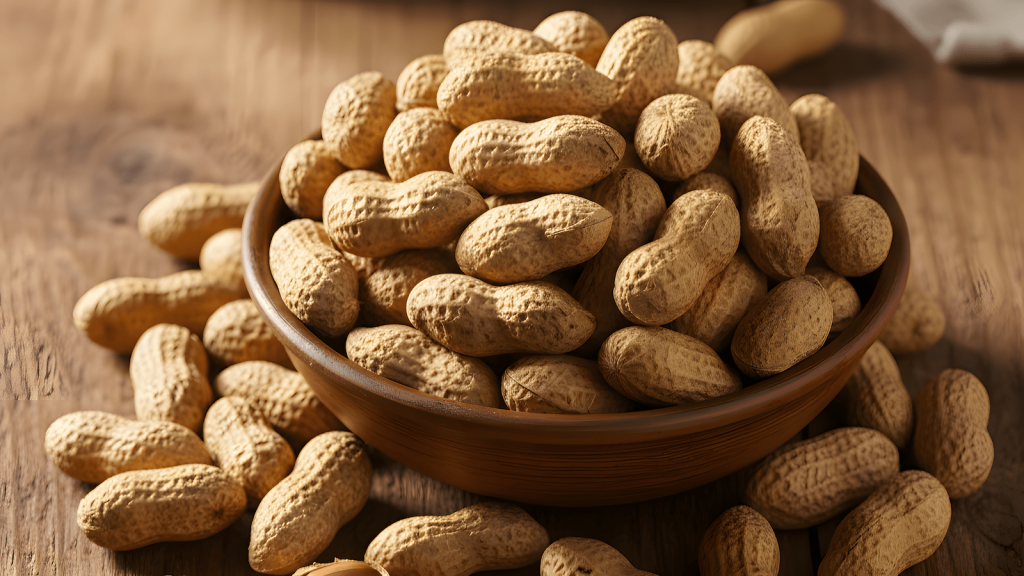
I eat peanuts at least once a week, and here in the Philippines, they’re everywhere. Walk down any street corner and you’ll find vendors selling boiled peanuts in paper cones, adobo peanuts loaded with garlic (you can never have too much garlic), spicy variants that make your mouth tingle, and the classic salted ones with just enough MSG to make them dangerously addictive. They’re cheap, filling, and honestly, I never thought much about their health benefits until I started looking into the research. Turns out, peanuts aren’t just a tasty snack, they’re legitimate nutritional powerhouses that offer serious benefits for heart health, weight management, brain function, and more. Whether you’re grabbing them from a street vendor or making them at home, peanuts deserve a permanent spot in your diet.
Packed with Protein and Essential Nutrients
Let’s start with what’s actually inside these little legumes. A one-ounce serving of peanuts, about a small handful, contains around 7 grams of protein, which makes them an excellent plant-based protein source that rivals many expensive alternatives. They also pack 14 grams of mostly healthy fats, primarily monounsaturated and polyunsaturated fats that your body actually needs. You’ll get fiber, vitamin E, magnesium, folate, and niacin, all critical nutrients that support everything from energy production to cell repair. What surprised me most when researching this was learning that peanuts are loaded with antioxidants, including resveratrol, the same compound that makes red wine famous for its health benefits. For anyone trying to eat well without breaking the bank, peanuts are one of the most affordable nutrient-dense foods you can buy.
Heart Health That’s Backed by Real Research
Here’s where peanuts really shine in the research. Study after study shows that eating peanuts regularly can significantly reduce your risk of heart disease, and the mechanism behind this is pretty straightforward. The monounsaturated and polyunsaturated fats in peanuts actively help lower LDL cholesterol, the bad kind that clogs your arteries, while maintaining or even raising HDL cholesterol, the good kind that helps clear out the bad stuff. People who eat peanuts several times a week have been shown to have a significantly lower risk of cardiovascular disease compared to those who rarely touch them. The magnesium content in peanuts also plays a crucial role in regulating blood pressure, which is especially important if you’re dealing with hypertension or just trying to keep your cardiovascular system in good shape. This isn’t marketing hype or wellness trends, it’s solid, peer-reviewed research showing that something as simple and affordable as peanuts can meaningfully protect your heart. For more on managing blood pressure naturally, check out our guide on hypertension and lifestyle changes.
Blood Sugar Stability Without the Crash
Despite being calorie-dense, peanuts have a low glycemic index, which means they don’t spike your blood sugar the way processed snacks or refined carbs do. The combination of protein, healthy fats, and fiber slows down digestion, keeping your blood sugar stable for hours. This is especially valuable if you’re trying to avoid that mid-afternoon energy crash that has you reaching for coffee or sugary snacks. Research suggests that regular peanut consumption may actually lower your risk of developing type 2 diabetes, and for people already managing diabetes, peanuts make an excellent snack choice that provides sustained energy without the blood sugar rollercoaster. I’ve noticed this personally, eating a handful of garlic adobo peanuts in the afternoon keeps me satisfied and focused way longer than grabbing chips or candy. The sustained energy makes them ideal for recovery nutrition after workouts or just powering through a busy day.
Weight Management That Feels Counterintuitive
This is the part that surprises most people. Peanuts are calorie-dense, yes, but studies consistently show that people who eat peanuts regularly don’t tend to gain weight, and in some cases, they may even lose weight. How does that work? It comes down to satiety. Peanuts are incredibly filling because of their protein, fat, and fiber combination, which keeps you satisfied for hours and reduces your overall calorie intake throughout the day. You eat a handful of peanuts and you’re genuinely full, not like that fake fullness you get from low-calorie processed snacks that leave you hungry again 30 minutes later. There’s also research indicating that not all the fat in peanuts is fully absorbed by your body, some of it passes through undigested. The key, of course, is portion control, a small handful as a snack or added to meals works perfectly, but mindlessly eating an entire bag while watching TV is a different story. When you’re looking for portable calories that actually keep you full, peanuts are hard to beat.
Brain Health and Cognitive Protection
Your brain is nearly 60% fat, and it needs quality fats to function optimally, which is exactly what peanuts provide. Beyond just the healthy fats, peanuts contain several specific nutrients that support brain health and cognitive function. Niacin, or vitamin B3, has been linked in research to lower rates of Alzheimer’s disease and age-related cognitive decline. Vitamin E acts as a powerful antioxidant that protects brain cells from oxidative damage, the kind of cellular stress that accumulates over time and contributes to neurological decline. Resveratrol, that same compound we mentioned earlier for heart health, may also improve blood flow to the brain, potentially enhancing memory and overall cognitive function. I’m not claiming peanuts will make you a genius, but they provide the raw materials your brain needs to function at its best, and that’s not nothing. This is part of why I consider them essential for building sustainable wellness habits that actually compound over time.
Antioxidants That Rival Berries
When people think of antioxidant-rich foods, they usually picture blueberries, dark chocolate, or green tea, but peanuts are surprisingly high on that list too. They contain resveratrol, p-coumaric acid, and various polyphenols that protect your cells from free radical damage, the kind of oxidative stress that contributes to aging and chronic disease. What’s particularly interesting is that roasting peanuts can actually increase their antioxidant content by 20 to 25% due to chemical changes that happen during the heating process. However, boiling peanuts, the traditional preparation method popular here in the Philippines and in parts of the American South, may preserve certain antioxidants even better because of the gentler cooking temperature. Either way, you’re getting serious antioxidant benefits from something you can buy for pennies on any street corner.
How You Prepare Them Actually Matters
Not all peanuts are created equal, and how you prepare them significantly affects their nutritional profile and health benefits. Here in the Philippines, you’ll find peanuts prepared in several different ways, each with its own advantages. Boiled peanuts, or mani, are made by boiling raw peanuts in salted water until they’re soft and tender, more like cooked beans than the crunchy roasted peanuts most Westerners are used to. This method uses no added oils, lets you control the salt content, and the gentle cooking temperature preserves more heat-sensitive nutrients. Boiled peanuts are also easier to digest and more hydrating because of their moisture content. They’re sold warm in paper cones by street vendors and they’re genuinely comforting on a cool evening. Adobo peanuts are roasted with garlic, soy sauce, and various spices, and while they’re higher in sodium, the flavor is incredible and a little goes a long way in terms of satisfaction. The garlic-loaded versions are my personal favorite because, well, you really can’t have too much garlic, especially when you consider garlic’s role in Filipino food as recovery medicine. Spicy peanuts add chili for an extra kick, and the classic salted roasted peanuts, often with a touch of MSG, are dangerously addictive in the best possible way. If you’re buying peanut butter, choose natural versions with just peanuts and maybe salt, avoiding brands that load them up with added sugar and hydrogenated oils. The preparation method you choose depends on your taste preferences and health goals, but all of them offer real nutritional value as long as you’re mindful about portions and sodium intake.
What to Watch Out For
While peanuts are healthy for most people, there are a few legitimate concerns to keep in mind:
- Allergies: Peanut allergies affect about 1 to 2% of the population and can be severe, ranging from mild reactions to life-threatening anaphylaxis. If you have a known allergy, obviously avoid them completely.
- Omega-6 fatty acids: Peanuts are high in omega-6s, which are essential but need to be balanced with omega-3 sources like fish, flaxseeds, and walnuts to avoid promoting inflammation in your body.
- Calorie density: They’re calorie-dense, which is great for satiety but means it’s easy to overeat if you’re not paying attention. Stick to one to two ounces per serving as a general guideline.
- Aflatoxin contamination: Caused by certain molds, this is a potential concern but it’s rare in commercial peanuts that are properly stored and sourced from reputable brands. Buy quality and store them in a cool, dry place.
These concerns are real but manageable, and for the vast majority of people, the benefits of eating peanuts far outweigh the risks.
How I Actually Eat Them
Theory is one thing, but here’s how peanuts fit into my actual daily life. I keep a small bag of adobo peanuts in my bag as an emergency snack for when I’m out and know I won’t have time for a proper meal, they provide instant energy and keep me from making worse food choices when I’m starving. When I’m walking around the city, I’ll grab a paper cone of boiled peanuts from a street vendor, they’re warm, satisfying, and cost almost nothing. At home, I’ll toss roasted peanuts into stir-fries for added protein and crunch, or blend them into a simple peanut sauce for noodles and vegetables using just peanut butter, soy sauce, lime juice, and a bit of chili. Sometimes I’ll spread natural peanut butter on whole-grain toast with banana slices for a quick breakfast that actually keeps me full until lunch. The point is, peanuts are versatile enough to fit into almost any meal or snack situation, and because they’re so affordable and widely available, there’s no barrier to making them a regular part of your diet. This kind of practical, sustainable approach is what I talk about in our post on sustainable wellness.
The Real Bottom Line
Peanuts are one of those rare foods that check almost every box. They’re affordable, widely available, nutrient-dense, backed by solid research, and genuinely delicious when prepared well. They support heart health by improving cholesterol levels and regulating blood pressure. They help manage blood sugar and reduce diabetes risk. They provide sustained energy and satiety that supports healthy weight management. They protect your brain with essential fats and antioxidants. And they do all of this while costing a fraction of what you’d pay for trendy superfoods or expensive supplements. Whether you enjoy them boiled from a street vendor, roasted with garlic and spices, or blended into peanut butter, the evidence is clear that moderate peanut consumption offers real, measurable health benefits. Don’t let their humble reputation or availability on every street corner fool you. These little legumes are legitimate nutritional powerhouses that belong in any serious approach to healthy eating.

Garlic adobo peanuts are a food group. MSG is not the enemy. Founded HealthyForge.com because health advice should come from people who actually eat this way. Writes about nutrition that works when you’re tired and your wallet is normal-sized.
📱 Medium • Facebook • YouTube
Written for the resilient not the aesthetic.