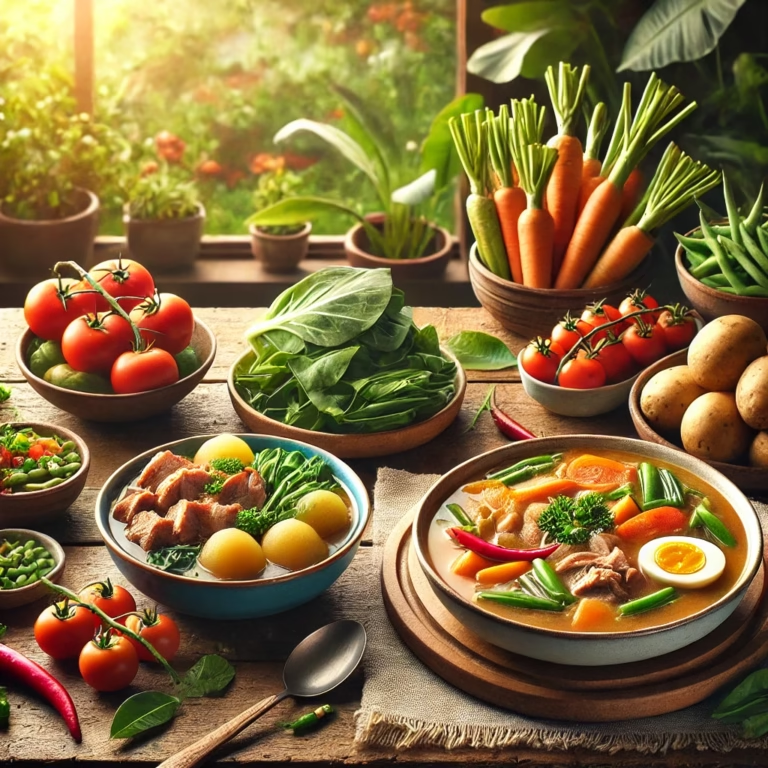
Most Filipinos don’t realize they’ve been eating recovery food their entire lives.
That tinola your lola made when you were sick? That wasn’t just comfort food. That was a loaded anti inflammatory protocol with immune boosting compounds, served in a bowl.
The arroz caldo you crave when you’re exhausted? Not nostalgia. Your body recognizes it as exactly what it needs to recover faster.
Filipino cooking isn’t refined. It’s not Instagram pretty. It doesn’t come with a clean ingredient list or a wellness influencer’s stamp of approval.
But it’s functionally superior in ways most people never notice, because the health benefits were never the point. The point was survival, recovery, and making food that worked.
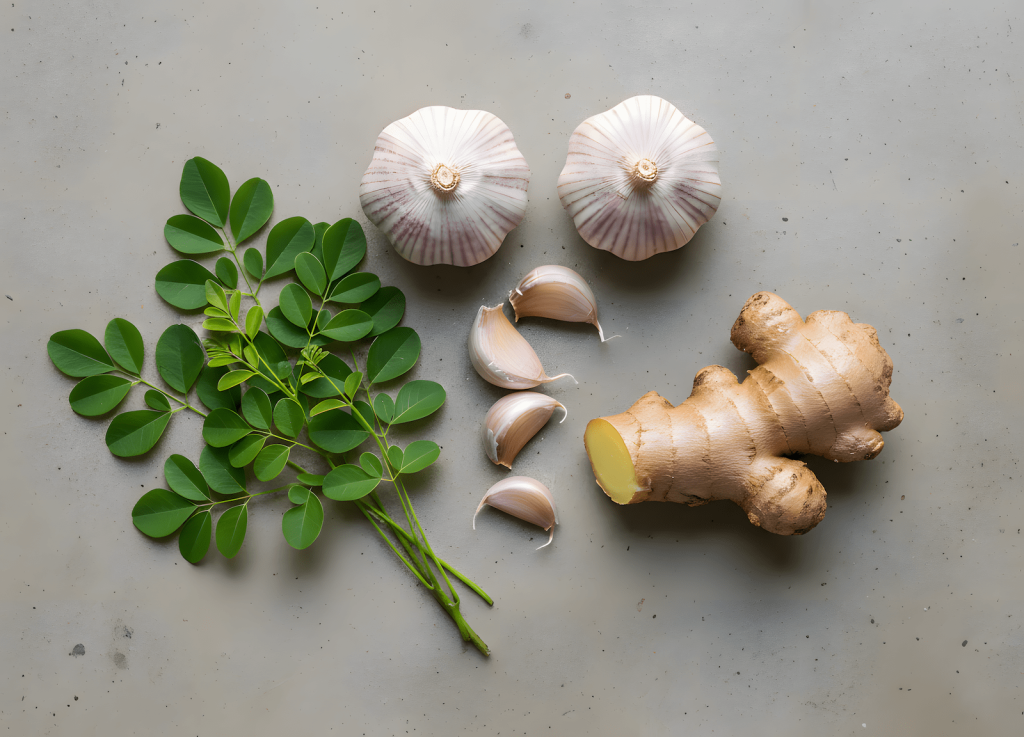
This is about the two ingredients hiding in plain sight in almost every Filipino dish: ginger and garlic.
Not because someone measured their therapeutic compounds. Because that’s what tastes right. That’s what lola used. That’s what makes the dish actually work.
The 2 to 3 Cloves Problem
Western recipes love precision. “Use 2 to 3 cloves of garlic,” they say.
Filipinos see that and use 2 to 3 bulbs.
Not because we’re reckless. Because native Filipino garlic, bawang tagalog, is smaller than the massive garlic bulbs Americans use. And more importantly, because peeling 2 to 3 tiny cloves one by one is annoying as hell.
So we don’t. We peel the whole bulb. Use everything. Waste not.
What looks like “too much garlic” to a Western cook is just efficiency to a Filipino. Why would you stop at three cloves when you’ve already committed to peeling?
And here’s the accidental genius of that approach: we’ve been therapeutically dosing ourselves with anti inflammatory and immune boosting compounds without even trying.
Native Garlic Hits Different
Philippine garlic isn’t just smaller. It’s more potent.
Bawang tagalog has a sharper, more pungent flavor than the mild garlic you find in American supermarkets. That intensity comes from higher concentrations of allicin, the sulfur compound responsible for garlic’s health benefits.
When Filipinos use an entire bulb where a recipe calls for 2 to 3 cloves, we’re not compensating for size. We’re chasing the flavor profile we grew up with. The one our parents and grandparents built into our taste memory.
But that “excessive” garlic use? It’s also delivering immune system activation from allicin and sulfur compounds, cardiovascular support that helps regulate blood pressure (useful context for anyone managing hypertension and lifestyle changes), anti inflammatory effects that reduce chronic inflammation, and antimicrobial properties that support gut health.
We didn’t optimize for health. We optimized for not being annoyed during food prep. The health benefits just came along for the ride.
Ginger: The Other Half of the Equation
If garlic is the immune system’s guard dog, ginger is the recovery specialist.
Filipino cooking uses ginger the same way it uses garlic. Generously, instinctively, and without measuring cups.
Tinola gets an entire thumb of ginger (or more). Lugaw uses ginger strips that you can actually see floating in the bowl. Arroz caldo is built on a ginger and garlic base that defines the entire dish.
Ginger delivers anti inflammatory compounds (gingerol and shogaol) that reduce muscle soreness and joint pain, digestive support that helps with nausea, bloating, and gut motility, circulation boost that improves nutrient delivery and speeds up recovery naturally, and thermogenic effects that support metabolism.
But Filipinos don’t use ginger because it’s a superfood. We use it because it tastes right. Because it cuts through richness. Because it makes you feel better when you’re run down.
The science just validates what generations of Filipino cooks already knew: this works.
Tinola: Recovery Protocol Disguised as Comfort Food
Tinola is the Filipino immune system reboot.
Chicken, ginger, garlic, malunggay (moringa), papaya or chayote, fish sauce, and water. That’s it. No complexity. No refined technique.
But look at what’s actually happening in that pot.
Protein from chicken supports tissue repair and immune function. Your body needs amino acids to rebuild after stress, illness, or physical work. Chicken delivers that without the heaviness of red meat.
Ginger and garlic form the anti inflammatory and immune boosting base. Together, they create a compound effect. Ginger reduces inflammation while garlic activates immune response.
Malunggay is one of the most nutrient dense plants on the planet. Vitamins A, C, calcium, iron, and antioxidants, all in those small green leaves Filipinos grow in their backyards for free.
Papaya or chayote adds fiber and digestive enzymes (especially papaya), supporting gut health and nutrient absorption.
Broth hydration matters more than most people realize. When you’re sick, dehydrated, or recovering from physical stress, your body needs fluids. Tinola delivers hydration with minerals and flavor, so you actually want to drink it. (For more on why hydration compounds recovery, see electrolyte depletion fix.)
This isn’t just soup. It’s a functional recovery system built into a one pot meal.
And Filipinos serve it when you’re sick because it works. Not because of nutritional science. Because grandmothers have been field testing this recipe for generations.
Lugaw and Arroz Caldo: The Sick Day Standard
If tinola is the immune reboot, lugaw is the gentle rebuild.
Plain lugaw (rice porridge) with ginger, garlic, and a soft boiled egg is what you eat when your stomach can’t handle anything heavy but your body needs fuel.
Arroz caldo, the souped up version with chicken, more ginger, garlic, and sometimes safflower for color, is what you graduate to when you’re ready for more.
Why does this work so well?
Easy digestion. Rice broken down into porridge is one of the gentlest foods on your digestive system. When you’re recovering from illness, food poisoning, or just exhaustion, your gut doesn’t need extra work. Lugaw gives your body calories and carbs without digestive stress.
Ginger calms nausea and supports gut motility. If you’ve ever felt queasy and then eaten lugaw, you know. It settles you. That’s ginger doing its job.
Garlic keeps your immune system engaged even when you’re too weak to eat much else.
Warm, hydrating, satisfying. Lugaw doesn’t just feed you. It makes you feel cared for. And that psychological comfort has real physiological effects. Stress reduction supports immune function and recovery.
Arroz caldo adds chicken for protein, turning lugaw into a complete recovery meal. It’s what you eat when you’re coming back from being down. Not fully healthy yet, but strong enough to handle more.
This is practical nutrition that works in the real world. Not a meal plan. Not a detox protocol. Just food that helps you get back on your feet.
Adobo and the Everyday Garlic Overload
Not every Filipino dish is “recovery food” in the tinola sense. But almost every Filipino dish starts the same way: sauté garlic until it smells right.
Adobo is the perfect example.
Garlic, vinegar, soy sauce, bay leaves, black pepper, and meat (chicken, pork, or both). The garlic in adobo isn’t subtle. It’s the foundation. You taste it in every bite.
And because Filipinos don’t measure, that “foundation” usually means half a bulb or more for a single batch.
Adobo isn’t sold as health food. It’s sold as the most Filipino dish there is. The one that defines home, the one every family makes slightly differently, the one that tastes better the next day.
But functionally? You’re getting a massive dose of garlic with every serving. And if you’re eating adobo regularly (which most Filipinos are), you’re maintaining a baseline level of immune support and anti inflammatory compounds without thinking about it.
This is what accidental optimization looks like. Filipinos aren’t chasing health trends. We’re just cooking the way we were taught. And that way of cooking happens to be loaded with compounds that modern wellness influencers are trying to sell you in supplement form.
The Supplement Industry Doesn’t Want You to Know This
Garlic supplements. Ginger capsules. Immune boosting tonics. Inflammation reducers.
The wellness industry has monetized what Filipinos have been eating for free.
A bottle of garlic extract capsules costs ₱1,500 to ₱2,000. A bulb of native garlic from the palengke costs ₱20 to ₱50.
Ginger shots at trendy cafes run ₱150 to ₱250 per serving. A thumb of ginger from your local market? ₱10.
And the bioavailability, how much your body actually absorbs, is often better from whole food sources than isolated supplements.
When you eat tinola, your body gets ginger and garlic alongside fats, proteins, and other compounds that improve absorption. When you take a pill, you’re getting one isolated compound with no food matrix to support it.
Filipinos have been doing this right the whole time. We just didn’t package it with a clean label and a markup.
Why This Matters for Modern Filipinos
Filipino food culture is under pressure.
Western diet trends, fast food convenience, and the idea that “healthy eating” means salads and smoothie bowls have made a lot of Filipinos question their own food.
“Isn’t Filipino food too oily? Too salty? Too much rice?”
Sometimes, yes. Portion control matters. Balance matters. Not every meal needs to be fried.
But the foundational ingredients, the ginger, the garlic, the vegetables, the broths, those are the parts worth keeping.
You don’t need to abandon Filipino cooking to be healthy. You need to recognize what’s already working and build around it.
Instead of buying expensive “gut health” supplements, make more tinola. Instead of ordering overpriced bone broth, make nilaga. Instead of stressing about anti inflammatory diets, just keep cooking with garlic and ginger the way your lola did.
The framework is already there. You just have to use it.
The Bigger Picture: Filipino Food as Functional Nutrition
This isn’t about nationalism or pride. It’s about recognizing that Filipino food was built for survival, not aesthetics.
Our cuisine evolved in a tropical climate where food spoiled quickly, where people worked physically hard, where illness and recovery were part of daily life.
Ginger and garlic weren’t chosen because they were trendy. They were chosen because they preserved food, boosted immunity, supported digestion, and made people feel better when they were run down.
Malunggay, kangkong, and pechay weren’t Instagram vegetables. They were cheap, fast growing, nutrient dense greens that kept people fed without breaking the bank. (For more on eating well on a budget, see Nutritious Filipino Meals: Eating Well Without Breaking the Bank.)
Filipino cooking doesn’t need to be validated by Western nutrition science. But it’s useful to understand why it works so you stop second guessing it.
Because the alternative, chasing expensive wellness trends, buying imported superfoods, outsourcing your health to supplements, doesn’t work better. It’s just more profitable for someone else.
What This Means for Your Health
If you’re Filipino and you grew up eating this food, you already have a head start.
You don’t need to reinvent your diet. You need to return to the basics.
Cook with ginger and garlic the way your family does. Generously, instinctively. Make tinola when you’re feeling run down or recovering from illness. Eat lugaw or arroz caldo when your stomach needs a reset. Keep malunggay, kangkong, and local vegetables in rotation. Stop apologizing for using “too much” garlic. That’s the correct amount.
And if you’re not Filipino but you’re interested in functional nutrition that doesn’t require a $200 grocery bill? Learn from this.
You don’t need exotic ingredients. You need staples that work, used consistently, in meals that taste good enough that you’ll actually eat them.
Ginger and garlic are cheap, accessible, and effective. The science backs them. The generational evidence backs them. Your body will back them too.
Final Word
Filipino cooking isn’t perfect. No cuisine is.
But it’s time to stop treating it like it’s something that needs to be fixed, refined, or replaced with “healthier” alternatives.
The ginger and garlic you’ve been eating your whole life? That’s the medicine. The tinola that shows up when you’re sick? That’s the protocol. The way your lola cooked without measuring cups? That’s the optimization.
You don’t need a wellness guru to tell you how to eat for recovery and resilience.
You just need to cook the way Filipinos have always cooked, and recognize that what tastes right has been working all along.
Related Articles:
- The Science of Healing: How to Speed Up Recovery Naturally
- 5 Common Wellness Myths Debunked: The Truth Behind Popular Trends
- Recovery Nutrition for Weekend Warriors

Filipino wellness writer who grew up eating tinola when sick and adobo when not.
Validates what your lola already knew about ginger, garlic, and recovery food. No recipes, no nostalgia porn, just the functional truth about Filipino cooking that Western wellness keeps trying to repackage and sell back to you.
Written for Filipinos who stopped apologizing for using too much garlic.